
Struggling with PCOS? You’re not alone! By choosing the right foods, you can regulate insulin, balance hormones, and feel your best. Ready to take control of your PCOS? Our PCOS Grocery List will help you shop smarter and nourish your body. Let’s dive in!
Why Is Diet Important for PCOS?
A balanced, nutrient-rich diet is crucial for managing PCOS. It improves insulin sensitivity, reduces inflammation, and supports healthy weight management. The right nutrition, outlined in our PCOS Grocery List, is essential for addressing symptoms like irregular cycles, mood swings, and cravings.
PCOS Grocery Shopping Tips
Plan Ahead
Before heading to the store, take time to plan your meals for the week. This reduces impulse buying and ensures you’re getting the nutrients your body needs to manage PCOS.
Shopping List
Make a list based on your meal plan to avoid buying unnecessary or unhealthy items. Stick to the perimeter of the store, where fresh produce, dairy, and lean proteins are located.
Recipe Bank
Create a collection of go-to recipes that fit your PCOS-friendly guidelines. Whether it’s quick lunches, protein-packed dinners, or healthy snacks, having a recipe bank simplifies meal planning and makes grocery shopping more efficient.
Buy in Bulk
When possible, buy whole grains, nuts, seeds, and other pantry staples in bulk. It can be more economical and ensures you always have nutritious options on hand.
Read Labels
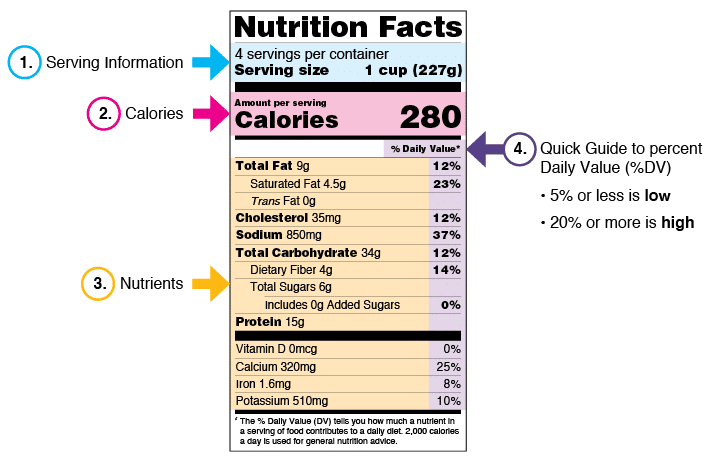
When purchasing packaged items, always check labels for added sugars, unhealthy fats, and unnecessary additives. Opt for whole, unprocessed foods when possible. If unsure how to use the info on a nutrition label to make a decision, follow the guidelines below:
- Limit total sugars, sodium, saturated fat and trans fat. Daily value (%DV) 5% or less is low
- Look for products high in fiber and protein. Daily value (%DV) 20% or more is high
- Compare the ingredient list between different brands, look for shorter lists and cleaner ingredients.
PCOS Grocery Shopping List: How to Balance Meals
Balancing your meals for PCOS involves focusing on the right macronutrients and choosing foods that support hormone regulation and stabilize blood sugar. Here’s how to make sure each meal includes the necessary components:
Protein
Protein is key for building muscle, stabilizing blood sugar, and keeping you feeling full longer. Aim to include 25-35 grams of protein per meal, which is roughly the size of a palm for meat, fish, or poultry, or about 1 cup of Greek yogurt or cottage cheese.
Lean Protein sources:
- Chicken breast (palm-sized portion)
- Eggs (2–3)
- Egg whites (½ Cup)
- Salmon (palm-sized portion)
- Greek yogurt (1 cup)
- Cottage cheese (1 cup)
Carbs
Carbohydrates can impact insulin levels, so it’s important to choose slow-digesting, fiber-rich complex carbs. Aim for 30-45 grams of carbohydrates per meal, which is about 1/2 cup of cooked quinoa or brown rice or a medium-sized sweet potato (about the size of your fist).
Combining multiple carbohydrate sources in a single meal—like having rice, sweet potatoes, and a fruit dessert—can quickly increase total carb intake and lead to blood sugar spikes. Being mindful of portion sizes and choosing nutrient-dense options can help maintain a balanced diet.
Complex Carbs:
- Sweet potatoes (1 medium is 20 g net carbs)
- Medium potato, (1 medium is 33 g net carbs)
- Quinoa, (1/2 cup cooked is 17 g net carbs)
- Brown rice (1/2 cup cooked is 21 g net carbs)
- White rice, (1/2 cup is 22 g net carbs)
- Oats (1/2 cup cooked is 12 g net carbs)
- Millet (1/2 cup cooked is 19 g net carb)
- Bulgur, (1/2 cup cooked is 13 g net carbs)
- Farro, (1/2 cup cooked is 30 g net carbs)
- Peas, (1/2 cup is 8 g net carbs)
Fats
Healthy fats regulate hormones and support overall health. Aim for 15-20 grams of fat per meal, which is about 1 tablespoon of olive oil, 1/4 avocado, or 1 oz of nuts (a small handful). Focus on unsaturated fats, like omega-3s, to help reduce inflammation and support well-being.
Anti-inflammatory fats:
- Avocados (1/4–1/2)
- Olive oil (1 tbsp)
- Nuts (1 oz, about a small handful)
- Fatty fish like mackerel, sardines, or salmon (2–3 oz, palm sized portion)
Fiber
Fiber, the indigestible part of plants, is essential for our health. It slows digestion, keeps us feeling full longer, and helps reduce blood sugar spikes while nurturing healthy gut bacteria. Aim for 10-15 grams of fiber in each meal for optimal benefits!
Examples:
- Berries (1/2 cup contains 3g fiber)
- Dark Leafy greens (1 cup contains 1-3 g)
- Broccoli (1/2 cup contains 2 g)
- Lentils (1/2 cup cooked contains 1.8 g)
- Chia seeds (1 tbsp contains 4 g)
- Baby carrots (10 pieces contain 3 g)
- Beans (1 cup contains 10 g)
- Nuts (1 oz contains 2 g)
Cruciferous Vegetables
Cruciferous vegetables like broccoli, cauliflower, and kale help balance hormones in women with PCOS by reducing excess estrogen. They’re also high in fiber, which aids blood sugar regulation and improves insulin sensitivity.
Examples:
- Kale (1 cup)
- Broccoli (1/2 cup)
- Brussels sprouts (1/2 cup)
- Cauliflower (1/2 cup)
- Cabbage (1/2 cup)
Download our PCOS Grocery List PDF [here]
PCOS Pantry Staples List
Building a PCOS-friendly pantry can make meal prep easier and faster. Keep these healthy staples on hand to ensure you have a variety of nutritious options to choose from:
Nature’s Carbs
Whole grains and complex carbs provide steady energy without spiking insulin. These are carbohydrates that grow out of the ground, minimally processed.
Portion Size: 1/4 -1/2 cup cooked
Examples: Quinoa, brown rice, farro, oats, barley
Beans
High in fiber and protein, beans help stabilize blood sugar and keep you feeling full.
Portion Size: 1/2 cup
Examples: Chickpeas, black beans, lentils, kidney beans
Spices/Herbs
Spices and herbs can benefit PCOS management through their anti-inflammatory and insulin-sensitizing properties. For example, cinnamon may improve insulin sensitivity, turmeric reduces inflammation, and spearmint tea can help lower testosterone levels. Adding these to your diet can enhance flavor and provide potential health benefits
Examples: Cinnamon, turmeric, ginger, garlic, basil, rosemary, cumin
Oils/Vinegars
Healthy oils and vinegars can be used for cooking or in dressings to support hormone balance.
Portion Size: 1 tbsp
Examples: Extra virgin olive oil, avocado oil, apple cider vinegar, balsamic vinegar
Vegetables
Fill your pantry with frozen veggies and ready to eat, washed greens to make meal prep faster and easier.
Portion Size: 1-2 cups
Examples: Frozen broccoli, spinach, cauliflower, bell peppers, zucchini
Fruits
Fruits are packed with antioxidants, vitamins, and fiber. Choose lower-sugar, high fiber options.
Portion Size: 1/4 cup
Examples: Berries (blueberries, strawberries, raspberries), apples, pears, citrus fruits
Condiments
Many condiments and dressings often contain hidden sugars that can quickly add up and worsen PCOS symptoms. Compare different brands and look for options with no added sugar and less overall sugar.
Nuts/Seeds
Nuts and seeds are a great source of healthy fats, protein, and fiber.
Portion Size: 1 oz (small handful)
Examples: Almonds, walnuts, chia seeds, flaxseeds, sunflower seeds
Fish/Meat
Protein-rich foods that are also low in unhealthy fats are great for managing PCOS.
Portion Size: 3–4 oz
Examples: Salmon, sardines, chicken, turkey
Dairy
If you consume dairy, opt for unsweetened varieties that are lower in sugar. Full fat dairy has been shown to be beneficial for improving fertility.
Freezer Staples
Frozen foods retain nutrients since they are often picked at peak ripeness and quickly frozen, making them a convenient option for a balanced diet. They save time, help with portion control, and offer a variety of healthy choices while being cost-effective.
Examples: Frozen fruits, vegetables, shrimp, fish, protein, whole grains, herbs
Tips for Making Home Meal Prep Easier
- Batch Cook: Prepare multiple meals at once and store them in the fridge or freezer for easy access.
- Pre-Chop Veggies: Cut up vegetables and store them in air-tight containers to make cooking faster.
- Use a Slow Cooker: Throw ingredients in the slow cooker in the morning for a hassle-free dinner.
- Use an Instant Pot: Quickly cook grains, proteins, and stews in one pot, reducing cooking time and cleanup.
- Keep Snacks Ready: Portion out healthy snacks like nuts, seeds, or veggie sticks to have on hand when hunger strikes.
Takeaway Points
- Focus on a balanced plate with lean protein, healthy fats, fiber, and slow-digesting carbs.
- Choose whole foods and limit processed, high-sugar, and refined foods.
- Plan ahead, make a shopping list, and stock your pantry with healthy staples.
- Regular meal prep helps save time and ensures that nutritious meals are always available.
With this guide, you’ll be ready to take control of your PCOS with smart grocery choices, balanced meals, and easy meal prep. Eating well doesn’t have to be complicated—just a little planning can make all the difference.